
15th January 2026
The Importance of Training and Development for Care Staff
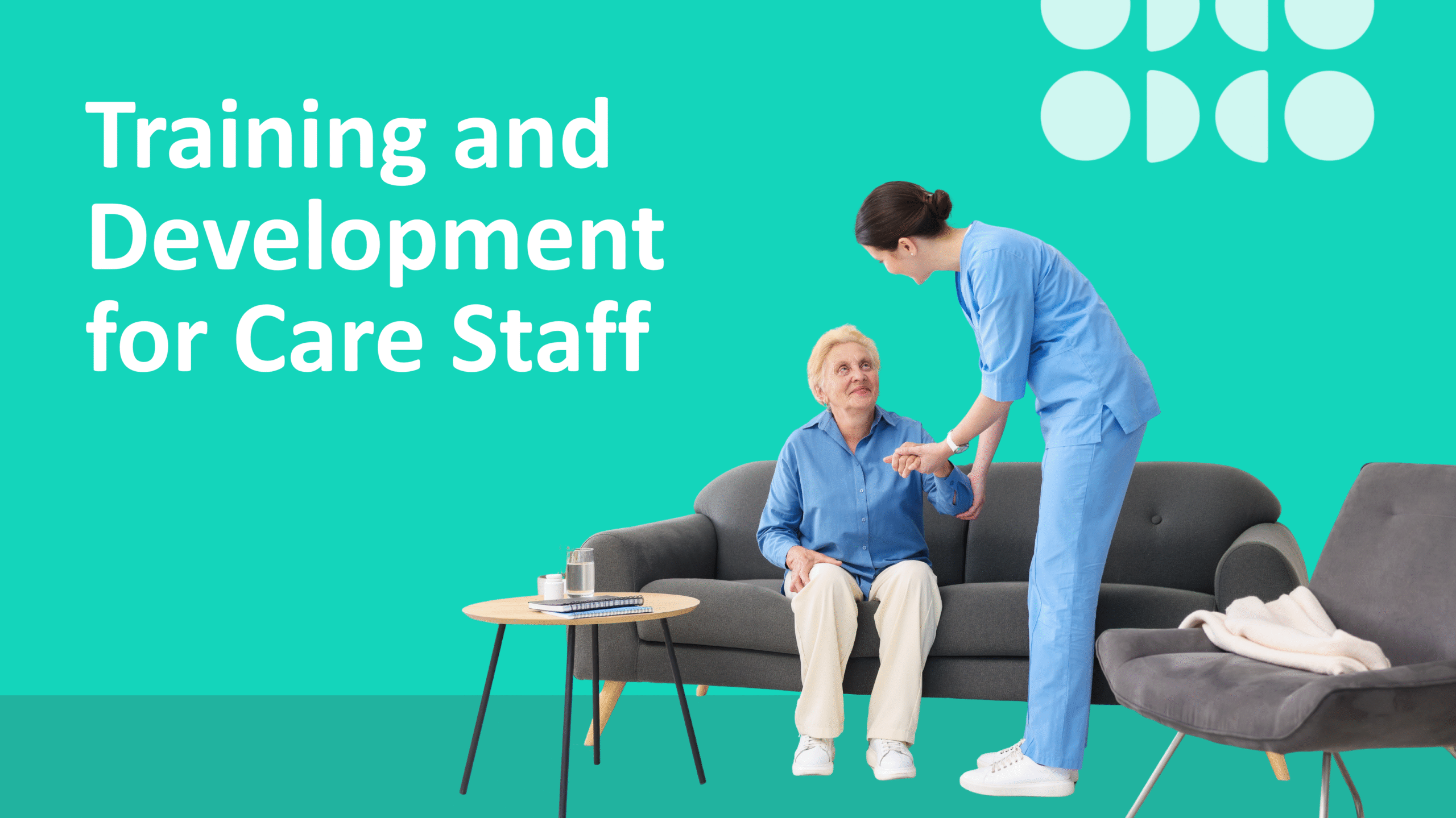
In the social care sector, the single most important asset is not the building, the equipment, or the technology; it is the people. The quality of care a person receives is directly determined by the skills, confidence, and compassion of the care worker providing it. This makes investing in robust training and continuous professional development more than just a regulatory requirement: it is the most fundamental investment a provider can make in the quality and safety of their service.
Many providers view training primarily through the lens of compliance, as a series of mandatory boxes to be ticked. However, this perspective misses the profound, transformative impact that a strategic approach to development can have. A well-trained and supported workforce leads to better resident outcomes, improved staff retention, and a stronger, more resilient organisation. This article explores why training and development matter so deeply and provides strategies for building a learning culture that drives excellence.
Beyond Compliance: The True Value of Training
The Care Quality Commission (CQC) rightly places a strong emphasis on staff competence, asking under the ‘Effective’ key question whether staff have the skills and knowledge to deliver high-quality care. While meeting these standards is essential, the benefits of a comprehensive training programme extend far beyond passing an inspection.
Enhancing Quality of Care and Resident Safety
A well-trained care worker is a safe care worker. Effective training equips staff with the practical skills needed to manage complex situations, from administering medication safely to using hoisting equipment correctly. It reduces the risk of errors that can lead to harm and ensures a consistent standard of practice across the team.
Furthermore, specialist training directly improves the quality of life for residents. A team trained in modern dementia care, for example, can better understand and respond to challenging behaviours, reducing distress for residents and creating a calmer environment. Training in end-of-life care enables staff to provide dignified, compassionate support to individuals and their families during the most difficult times. These are not just skills; they are acts of profound kindness, enabled by knowledge.
Boosting Staff Morale and Retention
The care sector is notorious for its high staff turnover rates. While pay and conditions are significant factors, a lack of investment in personal development is a major reason why good people leave. When an organisation invests in training, it sends a powerful message to its staff: “We value you, and we are committed to your future.”
Offering opportunities for professional growth gives employees a sense of purpose and a clear career path. A new carer who sees a route to becoming a senior carer, a nursing associate, or even a registered manager is far more likely to remain with the organisation. This investment fosters loyalty and creates a positive workplace culture where people feel supported and motivated to do their best work. The cost of training is often far less than the cost of recruiting and onboarding a new member of staff.
Strengthening Your Organisation’s Reputation
A reputation for excellence is built on the consistent delivery of high-quality care. This is only possible with a highly skilled workforce. When families are choosing a care home, they are increasingly savvy. They look for evidence of quality, and a commitment to staff training is a powerful indicator. Promoting your investment in specialist training on your website and in your marketing materials can be a key differentiator, helping you to attract new residents and build trust with commissioners.
Building an Effective Training and Development Programme
A successful training programme is strategic, continuous, and tailored to the specific needs of your residents and staff. It moves beyond a simple “one-and-done” induction model to a culture of lifelong learning.
1. The Foundation: A World-Class Induction
The training journey begins on day one. A comprehensive induction is critical for setting new starters up for success. This should go far beyond the basic mandatory subjects. A world-class induction programme includes:
- The Care Certificate: This is the national standard and must be completed thoroughly.
- Shadowing and Mentorship: Pairing a new employee with an experienced, positive role model is invaluable. This “buddy system” provides practical support and helps to embed the organisation’s values from the outset.
- Values and Culture Training: Explicitly teach new staff about your home’s mission and what your values (e.g., dignity, compassion, respect) look like in practice.
- Regular Check-ins: The registered manager should have scheduled check-ins throughout the probationary period to offer support and address any concerns.
2. The Core: Mandatory and Specialist Training
Mandatory training (e.g., health and safety, fire safety, safeguarding) is the non-negotiable core of your programme. Use a training matrix to track when this is due for renewal for every staff member, ensuring you are always compliant.
However, outstanding care requires going beyond the basics. Analyse the specific needs of your residents to identify areas for specialist training. This could include:
- Dementia Care: Programmes like the Dementia Care Framework.
- End-of-Life Care: Training to support residents and families with palliative needs.
- Clinical Skills: For homes with nursing, this could include training in catheter care, PEG feeding, or wound management.
- Mental Capacity Act (MCA) and Deprivation of Liberty Safeguards (DoLS): Ensuring all staff understand these complex but vital areas.
3. The Future: Fostering Continuous Professional Development (CPD)
CPD is about creating a culture where learning is an ongoing part of the job. This is what truly drives improvement and retains ambitious staff.
- Create Career Pathways: Work with staff during their appraisals to map out their career aspirations. Show them the steps and qualifications needed to progress from carer to senior carer, team leader, or into a management role. Support them to achieve NVQs/QCFs in Health and Social Care at Levels 2, 3, and beyond.
- Embrace Diverse Learning Methods: Training doesn’t always have to be in a classroom. Utilise a blend of methods to keep learning engaging:
- E-learning: For knowledge-based subjects and refreshers.
- Workshops and Practical Sessions: For skill-based topics like moving and handling.
- Team Meeting “Learning Moments”: Use 10 minutes in each team meeting to discuss a case study, a new piece of guidance, or a learning from a recent incident.
- External Courses and Conferences: For specialist subjects and to bring new ideas back into the home.
4. Leadership and Management Training
Do not forget to invest in the development of your leaders. Your registered manager, deputies, and team leaders have the biggest impact on your workplace culture. Provide them with training in leadership, communication, people management, and quality assurance. A supportive, skilled manager is one of the most effective staff retention tools you have.
A Virtuous Circle of Quality
Investing in training and development is not an expense; it is a strategic imperative. It creates a virtuous circle: well-trained staff deliver better, safer care, which leads to better outcomes for residents. Better outcomes lead to a stronger reputation and higher CQC ratings. At the same time, staff who feel valued and see a future with your organisation are more engaged, loyal, and motivated. This reduces turnover, saving you money and ensuring continuity of care for residents.
By shifting your perspective from training as a compliance task to development as a cultural cornerstone, you can unlock the full potential of your team. You will build a more resilient, more compassionate, and more successful care service, proving that your people truly are your greatest asset.








If you would like to chat with one of our consultants, then why not book a meeting now.
We look forward to hearing from you!
Book your meeting now