
19th February 2026
Ofsted Inspection Checklist for Children’s Homes: What You Need Before the Visit
Estimated reading time: 10 minutes
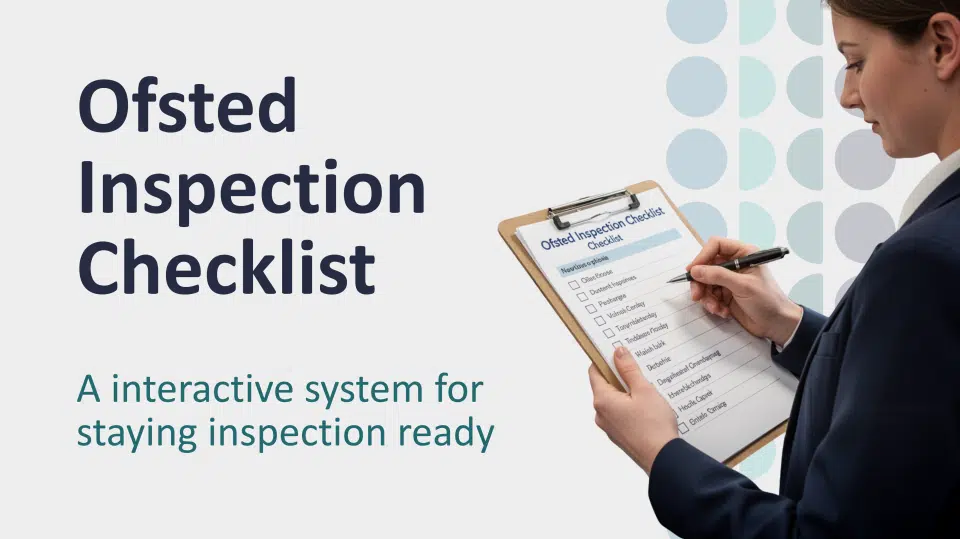
An Ofsted inspection checklist for children’s homes is a practical set of monthly (and pre-inspection) checks that helps you prove, quickly and confidently, that children are safe, making progress, and the home is well led under the SCCIF. It keeps your Annex A figures, safeguarding trail, daily records, and leadership oversight aligned so evidence is easy to find and trust.
Key Takeaways
- An Ofsted inspection checklist helps ensure children’s homes demonstrate safety and progress in line with the SCCIF.
- Regular checks include accurate Annex A completion, clear safeguarding records, and current staffing data.
- Preparedness requires an effective evidence pack that aligns with Ofsted’s triangulation of children’s voices, records, and leadership oversight.
- Using a structured oversight cycle supports ongoing readiness for unannounced inspections, focusing on key judgment areas.
- Delphi Care offers support with mock inspections and reviews to enhance compliance and confidence in readiness for Ofsted inspections.
Quick Ofsted readiness test (10 minutes)
If Ofsted arrived today, you need to be able to show, quickly and confidently, that children are safe, making progress and well led under the SCCIF for children’s homes. Run this quick test every month and whenever you sense inspection risk rising:
- Annex A could be completed accurately within hours and the numbers would match your logs, incident records and staffing data.
- Safeguarding records show a clear concern → action → outcome trail, with learning captured and implemented in practice.
- Chronologies and daily records are current, meaningful and not “paperwork theatre” – they align with plans and known risks.
- Staff training matrix and mandatory refreshers (including safeguarding) are up to date and reflected in day-to-day practice.
- Supervision is regular, reflective and recorded, with clear follow-through on agreed actions.
- Missing-from-care episodes, incidents and restraints (where used) are logged, analysed for patterns and linked to risk management.
- Regulation 44 and Regulation 45 cycles are current, with actions monitored and closed where appropriate.
- Complaints and whistleblowing concerns show timely response, outcomes and evidence of learning.
- Children’s plans and reviews show progress, not drift, and children can describe positive relationships and feel listened to.
- Staff at every level can explain “how we do things here” in a way that matches your Statement of Purpose and policies.
- The Registered Manager (RM) can evidence a clear rhythm of oversight, escalation and improvement.
- The Responsible Individual (RI) can demonstrate active governance, challenge and support, not passive sign-off.
This is the “always-on” version of your Ofsted inspection checklist; use the 48-hour plan below when you think an inspection is imminent.
Turn this blog into an “always-on” monthly system. so you can prove safety, progress and leadership grip fast.
- Auto Next-Due dates by Daily / Weekly / Monthly / Quarterly frequency
- Overdue flags + simple dashboard so you instantly see what’s at risk
- Built around SCCIF triangulation: child’s voice → records → leadership oversight
- Includes Annex A accuracy checks to prevent contradictions
What Ofsted will inspect against
Ofsted inspects children’s homes under the Social Care Common Inspection Framework (SCCIF) for children’s homes (England).
Key points to get right:
- All inspections of children’s homes are unannounced.
- Children’s homes normally receive a full inspection at least once annually. Depending on the outcome, the home may be inspected further within the year.
- Inspectors focus on the three core judgement areas:
- Overall experiences and progress
- How well children are helped and protected
- The effectiveness of leaders and managers
Inspectors also draw on your past inspection history, concerns/complaints, notifications, and oversight evidence (including your Reg 44/45 reporting) as they build lines of enquiry.
Your checklist should therefore map directly to these expectations: children’s safety, progress and stability; robust safeguarding; and strong, evidenced leadership and governance.
Your evidence pack: what to have ready at all times
An effective evidence pack is not a huge new folder; it is your existing evidence organised so it is easy to find, easy to trust and easy to explain. It should reflect how Ofsted triangulates: children’s voice, records and leadership oversight.
1) Safeguarding: concern → action → outcome
Have a coherent safeguarding evidence trail that shows:
- Up-to-date chronologies for key children, clearly capturing concerns, decisions and outcomes.
- Referrals and multi-agency communication, with dates, responses and escalation where needed.
- Return home interviews and exploitation risks considered for missing episodes and contextual safeguarding.
- Clear decision-making rationales (why you did X, when and what happened next).
- Learning captured through debriefs, team meetings and policy or practice changes.
2) Children’s journey and outcomes
Inspectors will test how well you know each child and how you are improving their lives. Have:
- Care and placement plans showing clear outcomes, review cycles and evidence of progress or purposeful change.
- Daily records that are consistent with plans and risk assessments, not copy-paste or purely descriptive notes.
- Evidence on education, health and participation – attendance, appointments, advocacy, hobbies, family time – with action when things slip.
3) Staffing: recruitment, training, supervision
You need to show safe recruitment and a skilled, well-supported workforce. Ensure:
- Recruitment files contain DBS, references, identity and right-to-work checks, plus explanations for any gaps.
- A live training matrix covering mandatory and role-specific training, with expiry dates and booked refreshers.
- Supervision records show regular, reflective supervision and follow-up on practice concerns and development.
- Rotas, agency usage and contingency planning demonstrate safe staffing and stability for children.
4) Incidents, missing-from-care, restraints
Inspectors will expect a line of sight from incident to learning. Have:
- Incident logs cross-checked against daily records and Annex A figures.
- Missing-from-care logs, return interviews and strategy discussions, with clear risk-reduction measures.
- Restraint records (if applicable) that meet requirements and show debriefs with children/staff and thematic review.
5) Complaints, whistleblowing and learning culture
A strong culture of listening and improvement is a core line of enquiry. You should be able to show:
- Complaints recorded with investigation, outcome, feedback to the child/family and learning or changes made.
- Whistleblowing and concerns appropriately escalated, investigated and protected from detriment.
- How learning from complaints, incidents and near-misses feeds into team meetings, policies and training.
6) Quality oversight, audits and governance
Ofsted will test how leaders know the home and act on risk. Make sure you have:
- A clear audit schedule (safeguarding, medication, care planning, environment, H&S) with findings and action plans.
- Evidence that actions are tracked to completion, not just logged.
- Regulation 44 reports and your responses, including how you have implemented recommendations.
- Regulation 45 reports that honestly evaluate quality of care, children’s progress and areas for improvement.
Well-structured Regulation 44 and 45 cycles are also where Delphi Care can quickly strengthen your inspection readiness.
Annex A preparation: the part most homes get wrong
Annex A is the formal request for information you must complete ahead of a full SCCIF inspection. Inconsistencies here can quickly undermine confidence in your data and leadership grip.
What to gather before you complete Annex A
Have a single, reliable source for the following before you start filling in the form:
- Current and historical occupancy, admissions and discharges for the reporting period.
- Summary of incidents, restraints and physical interventions (if used), matched to logs.
- Missing episodes, including numbers, duration and any patterns.
- Safeguarding concerns, allegations and referrals with basic outcome categorisation.
- Staffing levels, vacancies, agency usage and sickness.
- Training compliance rates and gaps for the workforce.
- Complaints, outcomes and any associated learning.
The 7-point Annex A accuracy check
Before submission, run this short accuracy drill:
- Cross-check every total against your core logs (incidents, missing, restraints, complaints, staffing).
- Add concise context where you have spikes or unusual patterns (risk-aware explanations, not excuses).
- Ensure your narrative matches the evidence in children’s records and management reports.
- Avoid vague claims (e.g., “improved practice”) without concrete examples or data.
- Confirm training, staffing and capacity figures are current to the date requested.
- Make sure key risk themes in Annex A align with staff descriptions of practice.
- Secure final RM sign-off and RI oversight so leadership can stand behind the submission.
Delphi Care can review your Annex A draft alongside your logs and quality reports to spot contradictions before Ofsted does.
Registered Manager readiness and 48-hour plan
The Registered Manager is central to Ofsted’s judgement on leadership and management. Inspectors will test your personal grip on risk, oversight and improvement,not just the paperwork.
RM inspection-ready rhythm
Build a predictable oversight cycle so you are always “inspection ready”:
- Weekly: review incidents, missing-from-care, restraints and safeguarding; check actions and emerging themes.
- Monthly: audit sample files, supervision quality and training compliance; review Regulation 44 findings and responses.
- Quarterly: review trends in outcomes, placement stability and risk; update improvement plans and report to the RI.
- Ongoing: ensure team meetings, handovers and reflective discussions are capturing and acting on learning.
Have 2–3 clear examples ready where your decisions improved children’s safety or outcomes, plus one example where you tackled poor staff practice.
48-hour readiness plan if you think Ofsted is likely
Use this when risk is high (complaints, incidents, staffing instability, recent changes) or you expect an inspection soon.
First 2 hours – stabilise and assign roles
- Agree who will lead on Annex A completion and data checks.
- Identify who will organise evidence navigation (file structure, signposting, quick-access documents).
- Brief staff on likely lines of enquiry: answer honestly from practice, not rehearsed scripts.
- Walk the environment: safety, cleanliness, bedrooms/communal areas, key notices and children’s rights information.
Next 24 hours – verify, tighten, prepare for interviews
- Spot-check a sample of files for gaps in chronologies, plans and reviews; plug genuinely missing essentials (do not fabricate).
- Double-check training and supervision currency for new staff and anyone in key safeguarding roles.
- Prepare a clear, honest narrative about your current risk profile, recent incidents and what you are doing about them.
Final 24 hours – confident delivery
- Ensure everyone knows where evidence lives (digital and paper) and who can access what.
- Revisit key policies (safeguarding, missing, behaviour support) so practice and paperwork line up.
- Avoid last-minute cosmetic changes that create inconsistencies between records, the environment and what staff say.
If you need external support during this period, Delphi Care offers rapid mock inspection and evidence-pack reviews for children’s homes.
How Delphi Care can help
Delphi Care works with children’s homes to strengthen SCCIF-aligned evidence, governance and leadership so inspections are less stressful and more predictable. Our consultants can:
- Run a full mock Ofsted inspection for children’s homes, using current SCCIF criteria and Annex A expectations.
- Review and reshape your evidence pack, Regulation 44/45 cycles and Annex A to remove contradictions and highlight impact.
- Coach RMs, RIs and team leaders on inspection interviews and “golden thread” storytelling from child experience to governance.
To discuss support for your children’s home, you can book a mock inspection or request an evidence pack and Annex A review via Delphi Care’s Ofsted support services page.
FAQs: Ofsted inspection checklist for children’s homes
Are Ofsted inspections unannounced for children’s homes?
Yes. All inspections of children’s homes are unannounced. The best protection is an “always-on” evidence pack and a monthly readiness rhythm—not a last-minute scramble.
How often will a children’s home be inspected?
Children’s homes normally receive a full inspection at least once annually. Depending on the outcome of the full inspection, the home may be inspected further in the year.
What is Annex A in a children’s home inspection?
Annex A is the formal information request you complete ahead of a full SCCIF inspection. It pulls together key numbers and context (incidents, missing episodes, restraints, staffing, safeguarding, complaints). If those totals don’t match your logs, it can quickly damage confidence in leadership “grip”.
What’s the difference between a full inspection and an interim inspection?
A full inspection results in graded judgements under SCCIF. Some homes are inspected a second time within the same regulatory year (often referred to as an interim inspection), depending on legal requirements and/or inspection outcomes.
What does Ofsted mean by “triangulation”?
It means inspectors test whether the same story holds true across:
children’s experiences and voice, 2) records and data, and 3) leadership oversight (audits, monitoring, actions closed).
What are the main judgement areas under SCCIF for children’s homes?
Inspectors focus on:
Overall experiences and progress
How well children are helped and protected
The effectiveness of leaders and managers
What are the most common evidence-pack gaps that create risk?
Inconsistent totals (especially for Annex A), weak safeguarding “concern → action → outcome” trails, chronologies that lag behind reality, daily records that don’t link to plans/risks, and audits where actions are logged but not closed.
What will inspectors typically test with the Registered Manager (RM)?
They will test your grip: how you identify risk, what you do about it, how you know it’s working, and how you challenge poor practice, supported by clear examples and evidence.
How do Regulation 44 and Regulation 45 reports affect inspection?
They contribute to Ofsted’s view of governance and oversight. Inspectors look for a credible cycle: findings → actions → follow-through → impact, not reporting for its own sake.
What should we do if we think Ofsted may arrive soon?
Use a 48-hour plan: stabilise roles, sanity-check Annex A totals against logs, spot-check a sample of files (chronologies/plans), confirm training/supervision currency, and align staff understanding to practice (not scripts). Avoid cosmetic edits that create contradictions.
Can we delay an Ofsted inspection if we’re not ready?
Inspections are unannounced. The practical route is not “delay”, it’s building always-on readiness. If there are exceptional circumstances on the day, handle this calmly and transparently with the inspector, focusing on safeguarding assurance and evidence navigation.











If you would like to chat with one of our consultants, then why not book a meeting now.
We look forward to hearing from you!
Book your meeting now