
18th November 2025
The Importance of CQC Compliance in Residential Care

For any residential care home in England, achieving and maintaining Care Quality Commission (CQC) compliance is not just a legal obligation; it is the bedrock of providing safe, high-quality care. Compliance demonstrates a commitment to excellence and assures residents, their families, and the wider community that your service meets national standards. Understanding the deep importance of CQC compliance is the first step toward creating a culture of continuous improvement that benefits everyone.
This post will explore why CQC compliance is so vital for residential care homes. We will look at its impact on resident safety, staff morale, and your home’s reputation. More importantly, we will provide expert tips to help you navigate the regulatory landscape and maintain high standards consistently.
What is CQC Compliance?
The Care Quality Commission is the independent regulator of health and social care in England. Its role is to ensure that services provide people with safe, effective, compassionate, and high-quality care. The CQC does this by monitoring, inspecting, and rating services against a set of fundamental standards.
CQC compliance means that your care home meets these fundamental standards of quality and safety. These standards are built around five key questions, known as the Key Lines of Enquiry (KLOEs):
- Is the service Safe? Are residents protected from abuse and avoidable harm?
- Is the service Effective? Does the care, treatment, and support achieve good outcomes and help maintain quality of life?
- Is the service Caring? Do staff involve and treat residents with compassion, kindness, dignity, and respect?
- Is the service Responsive? Are services organised so that they meet residents’ needs?
- Is the service Well-led? Does the leadership, management, and governance assure high-quality, person-centred care, support learning, and promote an open and fair culture?
Failing to meet these standards can result in poor inspection ratings, enforcement action, and significant damage to your care home’s reputation.
The Impact of Compliance on Resident Safety and Wellbeing
At its heart, CQC compliance is about protecting people. The regulations are designed to prevent harm and ensure that residents live in a safe, supportive environment. When a care home has robust compliance systems, it directly translates into better outcomes for residents.
For example, a compliant home will have rigorous medication management processes, reducing the risk of errors. It will have effective infection prevention and control measures, protecting vulnerable residents from illness. Strong safeguarding policies and well-trained staff ensure that residents are protected from abuse and neglect. Every element of the CQC framework is linked to a tangible aspect of resident safety and wellbeing.
A focus on compliance also promotes person-centred care. The ‘Responsive’ KLOE encourages homes to tailor their services to individual needs and preferences. This means creating detailed care plans, offering choices in daily life, and listening to feedback from residents and their families. This approach not only improves quality of life but also fosters a sense of dignity and respect.
Building a Culture of Excellence, Not Just Compliance
While meeting the standards is essential, truly outstanding care homes go beyond a simple tick-box approach. They use the CQC framework as a tool to build a culture of continuous improvement. This means seeing compliance not as a hurdle to overcome, but as a roadmap to excellence.
Leadership is Key
A ‘Well-led’ service is fundamental to achieving high standards across the board. Strong leaders set the tone for the entire organisation. They establish a clear vision and values, empower their staff, and create an open and transparent environment where concerns can be raised and addressed without fear. A proactive manager sees CQC compliance as an ongoing process of quality assurance, not just something to think about when an inspection is due.
Empowering Your Staff
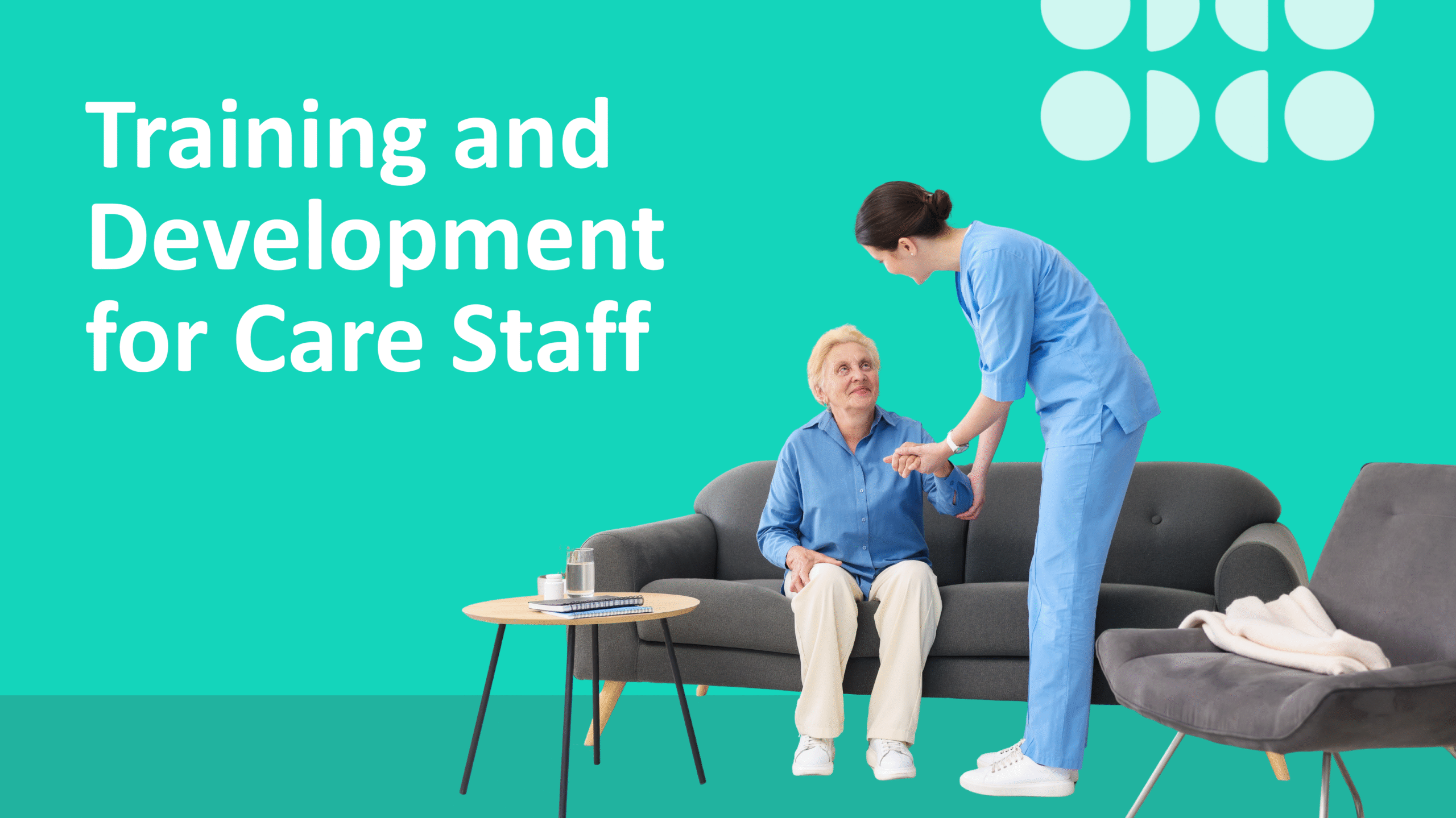
Your staff are your most valuable asset in maintaining compliance. A well-trained, supported, and motivated team is far more likely to deliver high-quality care. Investing in regular training on topics like safeguarding, dementia care, and person-centred planning is crucial. Furthermore, involving staff in the compliance process, such as through internal audits and team meetings, gives them a sense of ownership and responsibility. When staff understand the ‘why’ behind the rules, they are more likely to follow them consistently.
Expert Tips for Maintaining CQC Compliance
Maintaining compliance requires a systematic and proactive approach. You cannot wait for an inspection to identify problems. Here are some expert tips to help you stay on track.
1. Conduct Regular Internal Audits
Do not wait for the CQC to tell you where your weaknesses are. Implement a schedule of regular internal audits that cover all five KLOEs. Use these audits to review documentation, observe care practices, and speak with residents and staff. This process allows you to identify and fix issues before they become serious problems. A mock CQC inspection conducted by an external consultant can also provide an invaluable, objective perspective on your readiness.
2. Keep Documentation Pristine
During an inspection, your documentation provides crucial evidence that you are meeting the standards. Care plans, risk assessments, staff files, and audit records must be up-to-date, accurate, and easily accessible. Care plans should be detailed, person-centred, and regularly reviewed with the resident or their family. Ensure all records are legible and signed, demonstrating a clear audit trail of the care provided.
3. Act on Feedback
Feedback is a gift. Actively seek it out from residents, families, and staff through surveys, meetings, and informal conversations. More importantly, demonstrate that you are listening by acting on the feedback you receive. Document the feedback, the actions you took in response, and the outcome. This shows the CQC that you have a responsive and well-led service that is committed to learning and improving.
4. Invest in Continuous Training
The care sector is always evolving, with new best practices and regulations emerging. A robust training programme is essential to keep your team’s skills and knowledge current. Go beyond mandatory training and offer development opportunities in specialist areas relevant to your residents’ needs. Keep detailed records of all training completed by staff, as this is key evidence for the CQC.
5. Stay Informed
The CQC regularly updates its guidance and inspection methodology. It is vital that the registered manager and leadership team stay informed about these changes. Sign up for the CQC’s provider newsletters and regularly check their website for new publications. Understanding what inspectors are currently focusing on will help you prepare your service effectively.
Your Path to Outstanding Care
CQC compliance is far more than a regulatory burden. It is the framework that enables you to provide the safest, most effective, and most compassionate care possible. By embracing the standards and embedding them into your daily operations, you create a virtuous circle of quality improvement. A compliant home is a safer home, a happier place to live and work, and a more successful and sustainable business.
Focus on building a culture of proactive quality assurance, led by a committed management team and delivered by a well-supported workforce. By doing so, you will not only be ready for any CQC inspection but will also be on the path to becoming a truly outstanding provider of residential care.






If you would like to chat with one of our consultants, then why not book a meeting now.
We look forward to hearing from you!
Book your meeting now